
Adapting to Our Diagnoses
Adapting to Our Diagnoses: Barrier-Free Living- Moving forward with aplomb…
Janie Heinrich here to share about something that has the power to genuinely change lives. Not in a small, quiet way, but in a full, rich, wonderful way. I want to talk about adapting to our diagnoses and what that looks like in everyday life, especially for those of us who are aging and living with new or changing health realities.
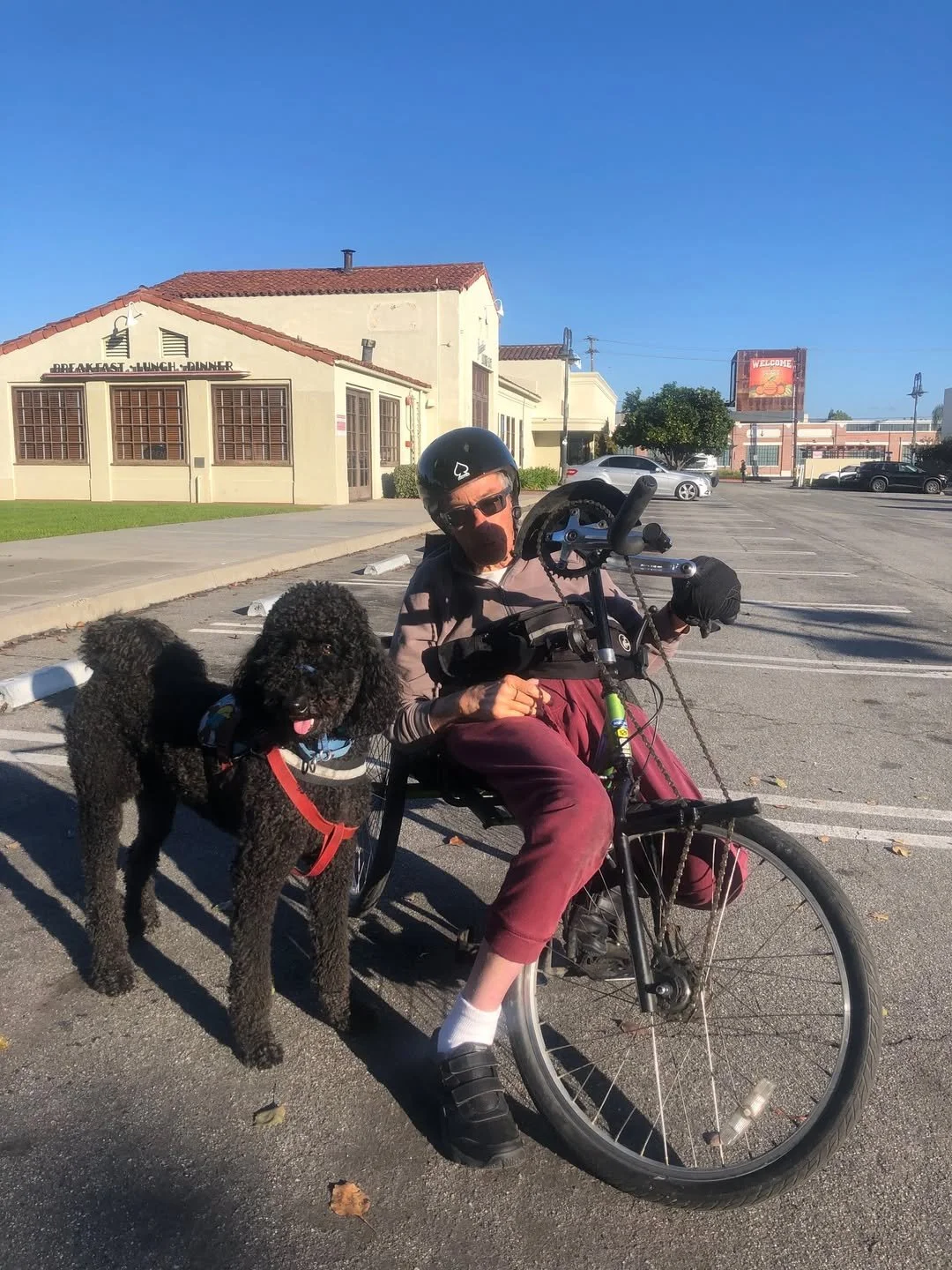
When we hear the phrase "barrier-free living," it might sound like a technical term; but here is the truth: it is one of the most liberating ideas out there. It simply means removing the physical & mental obstacles that stand between us and the life we want to live. It means making our circle of friends, our homes, our routines, and our world work for us, not against us. And that is something worth celebrating.
Because here is what I know: aging is not the end of living fully. A diagnosis is not a sentence. It is information. And what we do with that information, how we adapt, how we adjust, how we rise to meet our lives exactly where they are, that is where the real story begins.
So let us talk about what barrier-free living actually looks like, because it is more accessible, more achievable, and more joyful than most people realize.
It can start with the smallest of changes that make the biggest of differences. Surround yourself with people who do not limit you but allow you to live by your design. Create better lighting in hallways, entryways, and bathrooms so we can move confidently at any hour. Clearing walkways and securing rugs so our paths are open and safe. Swapping out round doorknobs for lever handles so that stiff hands or tired mornings are never a match for getting where we need to go. Installing handrails on both sides of staircases, indoors and out, so that every step feels grounded and secure. These are not compromises. These are upgrades.
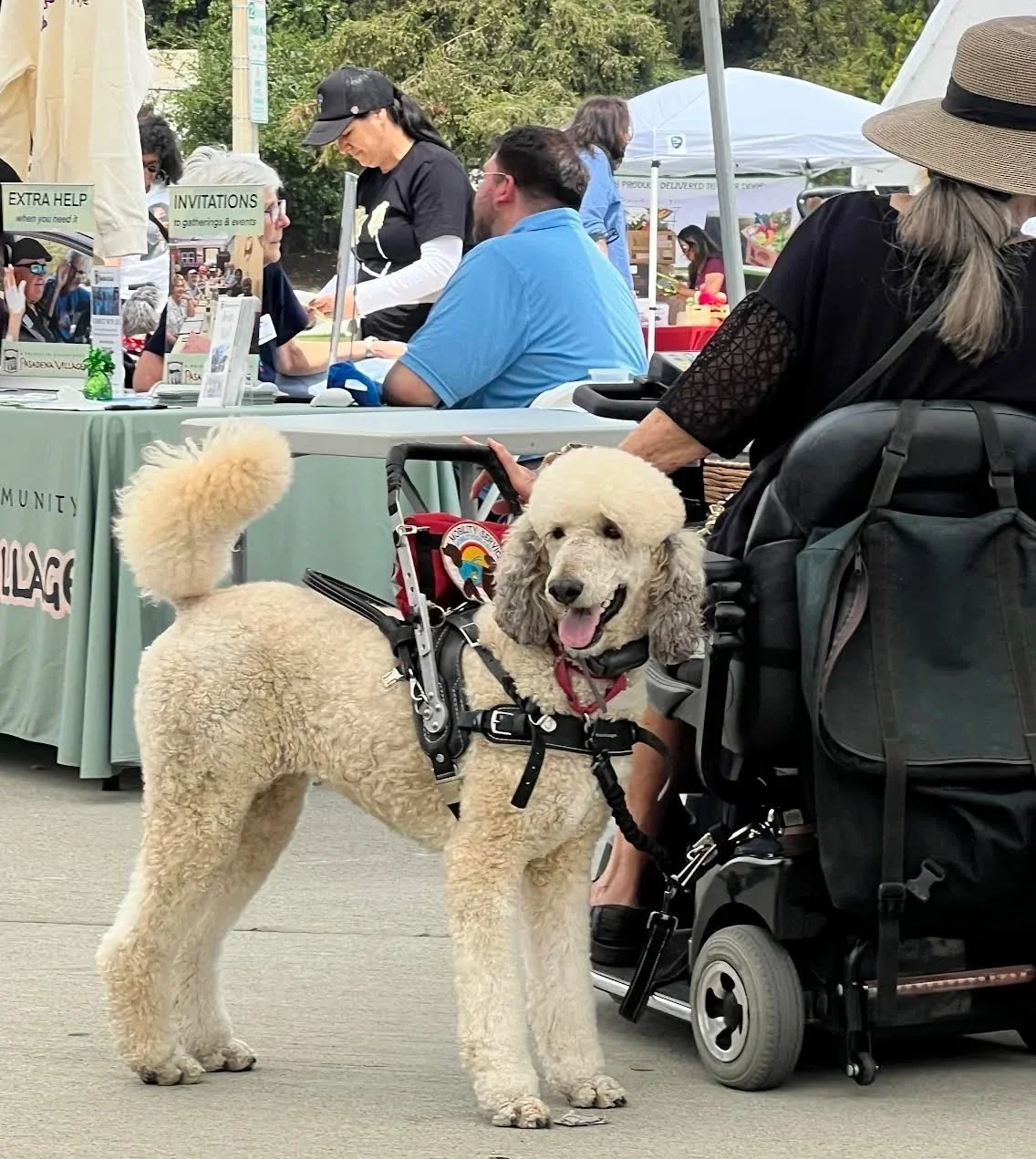
Some changes go a little deeper. Continue following your dreams and embrace all of your life. Ramps and zero-step entries mean the front door is never a barrier. Wider doorways open up the whole home. In the bathroom, grab bars, walk-in showers, shower chairs, raised toilet seats, and non-slip mats turn one of the most potentially hazardous rooms in the house into a place of ease and comfort. In the kitchen tools that keep us cooking and eating! In the bedroom, pull-out shelves, lowered storage, reachable appliances, clear walking paths, and the right bed height mean that every corner of home is working with us, not against us.
Picture someone living with arthritis and balance challenges. A barrier-free home for that person might include a walk-in shower with grab bars, a raised toilet seat, brighter hallway lighting, lever handles on every door, and a walker always within reach. A friend to sip a cup of tea with. Each change on its own is simple. Together, they create a home that feels supportive, safe, and freeing. That is the power of thinking this way.
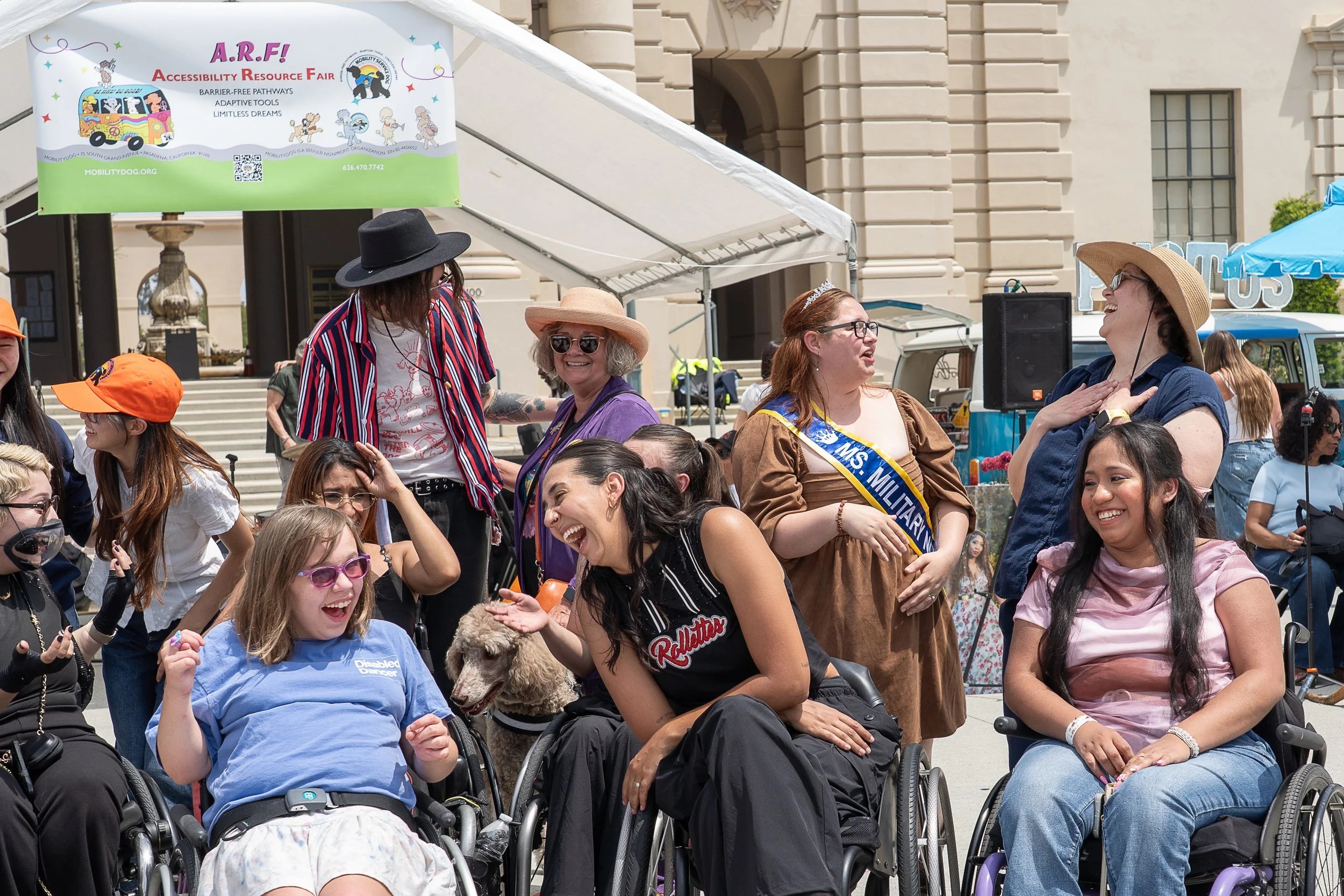
Now let us talk about tools, because adaptive tools are not a concession to limitation. They are expressions of confidence and self-care.
Canes, walkers, and rollators help us move through the world with confidence and less fatigue. Shower chairs and handheld showerheads make daily care comfortable and safe. Reachers, sock aids, and long-handled tools let us keep doing things for ourselves. Service and companion dogs bring not only practical assistance but warmth, connection, and joy. I personally go between three mobility tools: service dog, stellar!, that allows my the freedom I need to live all of my life, arm crutches, and a tilite manual chair.
And let us give a proper round of applause to two tools that often do not get enough credit: hearing aids and glasses. Keeping up with yearly eye exams and updated prescriptions is one of the most straightforward gifts we can give ourselves. Good vision connects us to everything, to faces we love, to books that move us, to streets we navigate, to staircases we climb safely. As our vision changes, it is essential to learn new ways to experience all that we treasure with adaptive tools that will allow for you to live all of your life. Hearing aids, for those who need them, reduce fatigue and bring us fully back into the conversation of life. As your hearing decreases, your brain will fill in the words, decreasing your ability to communicate; with a hearing device, you can actively keep your brain active and healthy. These are not small tools. They are lifelines, and there is nothing more empowering than using them.
Technology is on our side too. Voice-activated assistants, smart lighting, motion-sensor nightlights, medication reminders, medical alert systems, home monitoring devices, screen readers, amplified phones, and high-contrast designs all exist to make daily living smoother, safer, and more connected. The world is building tools for us every day, and we deserve to use every single one that serves us.
Now here is something I feel strongly about: barrier-free living does not stop at the front door. It belongs everywhere we go.
When we are out in the world, we have every right to ask for what we need and to expect that it will be provided. In public places, look for accessible entrances and ask staff to point you to them without a moment's hesitation. When purchasing tickets for a show, a concert, a game, any event at all, call the box office ahead of time. Tell them exactly what you need, whether that is wheelchair accessible seating, proximity to an exit, hearing loop access, or anything else. Have that conversation. Work together with them. Most venues genuinely want to help, and a five-minute phone call can transform an anxious outing into an evening you talk about for years.
And please, if you feel uncertain about going somewhere new or navigating an unfamiliar situation, do not stay home. Do not stay home. Reach out. Call a friend, a family member, a neighbor, someone from your village, and ask them to come with you. There is no shame in that. There is nothing but wisdom in saying "I want to go, and I would love some company." Because isolation, that quiet retreat from the world, is far harder on us than any diagnosis. Staying connected to life, to people, and to the experiences that bring us joy is not optional. It is essential. It is medicine.
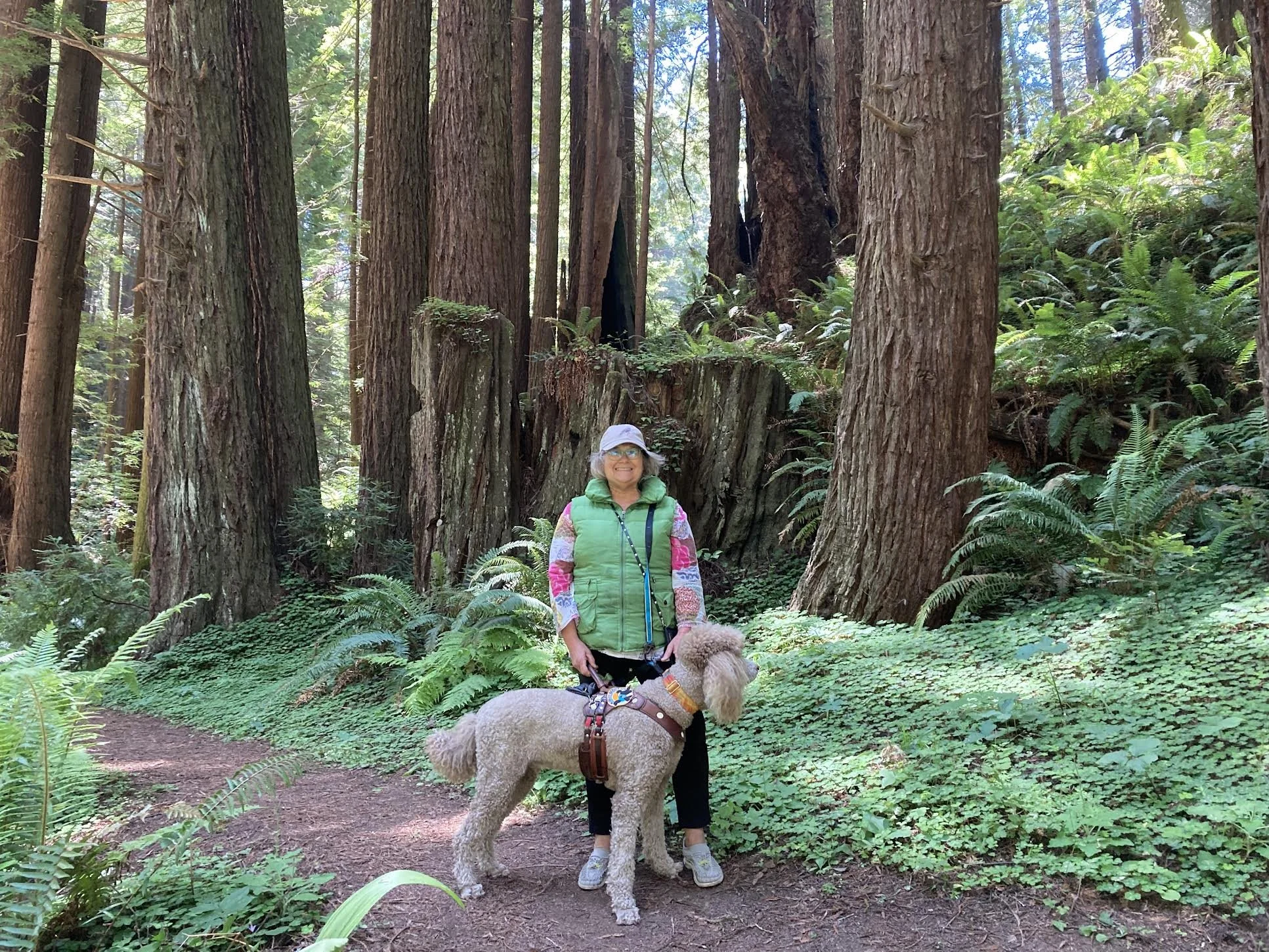
We are not defined by our diagnoses. We are defined by how we choose to live alongside them, around them, and sometimes because of them. Owning our lives, pursuing our dreams, staying curious and present and engaged, that is not something a diagnosis takes from us. It is something we protect, fiercely and joyfully, with the right tools, the right adjustments, and the right people beside us.
Thinking ahead is part of that protection. Health needs change, and planning for the future is one of the most loving things we can do for ourselves. A home assessment or a conversation with an occupational therapist can reveal changes that make a profound difference, ones we might not have thought of on our own. And because every person's needs are beautifully different, the right plan for you depends on your mobility, your vision, your daily rhythms, your home, and your life. There is no one-size-fits-all answer here, only the right answer for you.
This is ultimately what barrier-free living is about. It is about respect. Respect humanity and embrace friendship. Respect for the fact that we all age differently and we never know what tomorrow holds. Respect for the reality that our diagnoses shape but do not shrink us. And deep, unwavering respect for the truth that every single person deserves access, comfort, independence, and joy in their own home and out in the wide, wonderful world.
Needing support does not diminish dignity. The right supports create dignity. They free us from struggling with obstacles and return us to what matters most, our families, our communities, our passions, our purpose.
So let us bring this all together with the energy it deserves.
Adapting to our diagnoses means choosing to make our lives more manageable and more magnificent. Barrier-free living means tearing down the obstacles between us and the life we want. Adaptive tools mean showing up for ourselves in the most practical and powerful ways. And aging in place means building a home that grows with us and holds us well for every season of life ahead.

These are not luxuries. These are not afterthoughts. These are essential, joyful, life-affirming acts of self-respect. Even one change can shift everything. And a handful of changes together can open up a whole new chapter.
Barrier-free living ia about all of your moments. It is about staying safe physically and mentally, staying independent and engaged while staying fully and beautifully alive. It is about owning our lives and living our dreams, whatever those dreams look like at this magnificent stage of the journey. Go- live them. Go- ask for what you need. Go- bring a friend. Go- show up.